DIY Medicinal Fire Cider (Easy Recipe)
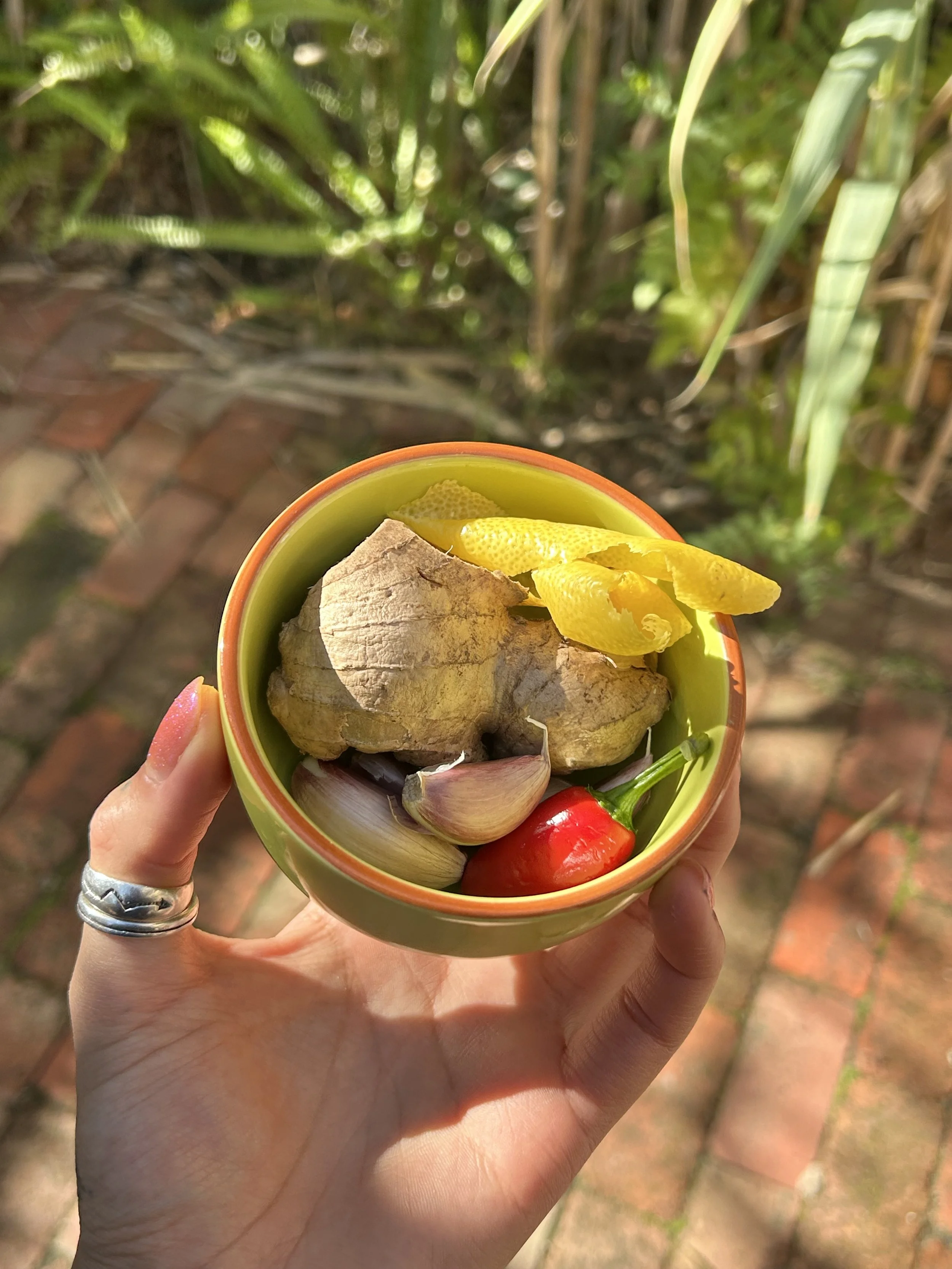
Small bowl of garlic (Allium sativa), jalapeño (Capsicum annuum), ginger (Zingiber officinale) and Lemon (Citrus x limon) peel to be used in a homemade DIY medicinal fire cider recipe.
The creation of fire cider starts with the creation of medicinal vinegars hundreds, if not thousands, of years ago. Before modern medicine, a medicinal vinegar might’ve been brewed with carefully selected herbal additions to treat the required complaints. Hippocrates (c. 420 BC) is recorded to have used vinegar medicinally to manage wounds. In the 18th-century United States, medicinal vinegars were used for a wide variety of ailments: dropsy, diabetes, poison ivy, croup and stomachache, to name a few.
Vinegar, from the French vin aigre meaning ‘sour wine’, can be made from a huge variety of fermentable carbohydrates such as molasses, dates, beets, malt, grains, berries, melons, apples and maple syrup. The main constituents of vinegar include acetic acid, vitamins, mineral salts, amino acids, polyphenolic compounds, and nonvolatile organic acids.
Medicinal uses of vinegar:
anti-microbial properties against bacteria such as E. coli, group D Enterococcus and Bacteroides fragilis
may contribute to healthy blood pressure management
to reduce glycaemic index (GI) for blood glucose control, preventing hyperglycaemia
There is something deeply idyllic about the ritual of creating it — chopping roots, packing a jar, and watching it transform over a few weeks into something your body will genuinely thank you for. This DIY Medicinal Fire Cider is a punchy, gut-loving infusion of raw garlic, ginger, chilli and citrus peel steeped in apple cider vinegar, made to support your immune system and digestive fire through the colder months.
Each ingredient in this tonic has been chosen with intention, offering both bite and functional benefit:
Garlic delivers allicin the moment it's crushed or chopped — a compound with genuinely broad-spectrum antibacterial, antifungal, antiparasitic and antiviral activity, making it one of the most well-evidenced "kitchen medicines" available to us.
Ginger brings its signature warmth along with gingerols and shogaols, compounds shown to work through antioxidant and immunomodulatory pathways to help calm inflammatory signalling in the body.
Apple cider vinegar is the medium that draws all of this together, and it isn't just a flavour carrier — full-strength ACV has been shown to have unequivocal antimicrobial activity of its own, on top of its more well-known metabolic benefits.
Ingredients
Large thumb of ginger, sliced
2 medium jalapeños, sliced
2 garlic cloves, sliced
3-4 large peels of citrus
500mL apple cider vinegar
Method
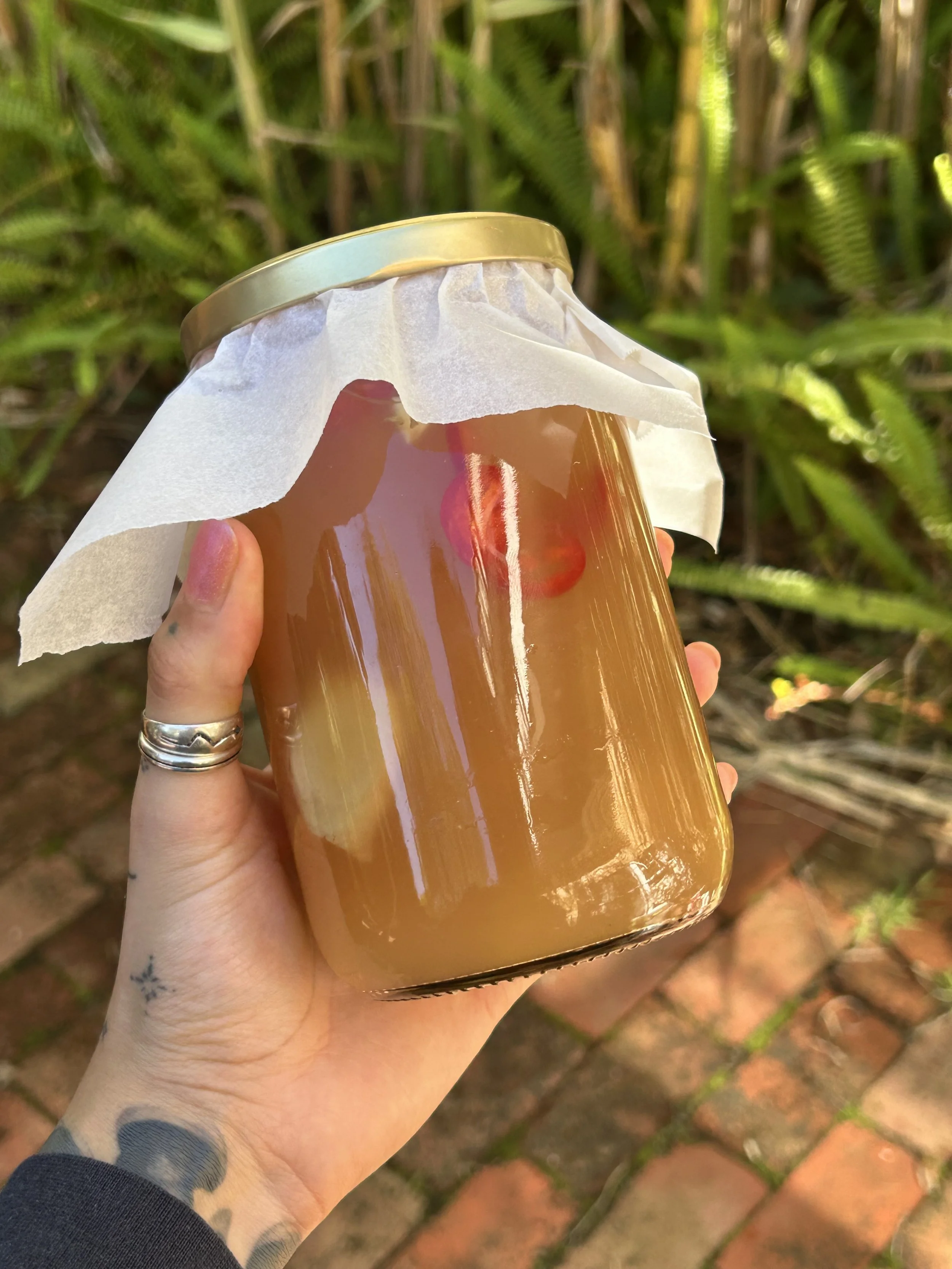
Fresh homemade DIY fire cider with sliced pieces of garlic (Allium sativa), jalapeño (Capsicum annuum), ginger (Zingiber officinale) and Lemon (Citrus x limon) peel.
Prep and add all the ingredients to your jar of choice.
Cover with a sheet of baking paper and tighten the lid. This will prevent the lid from being corroded by the acidic vinegar.
Leave in a cool, dark place for 4 weeks, giving it a slight shake once per week.
After 4 weeks, the flavours have fully blossomed, and you may serve. Best utilised in warm water in the morning to spark digestion before meals or with EVOO as a salad dressing.
Naturopathic Benefits
Immune & Antimicrobial Support
This is where fire cider earns its reputation. Garlic's allicin and the apple cider vinegar base are each independently studied for meaningfully broad antimicrobial activity — not just folklore, but genuine pharmacological action against a range of bacteria, fungi and viruses. Layering these compounds together in one tonic is exactly the kind of "food as medicine" thinking I encourage in clinic — supporting your innate immune defences with real, evidenced botanicals rather than reaching for a single isolated supplement.
Digestive Fire & Circulation
The pungency in this recipe isn't just for show. Capsaicin-type compounds (found in the chilli) and the isothiocyanates in horseradish activate TRPV1 receptors lining your gut, triggering a sympathetic, warming response in the digestive tract. This is the physiological basis behind the old herbalist idea of "digestive fire" — these pungent, warming foods aren't just tradition; they measurably stimulate the gut. Pair that with ginger's anti-inflammatory action on immune cells throughout the gastrointestinal tract, and you've got a tonic that supports digestion and immunity as one interconnected system, rather than treating them separately.