Sardine and Cannellini Bean Fritters (GF)
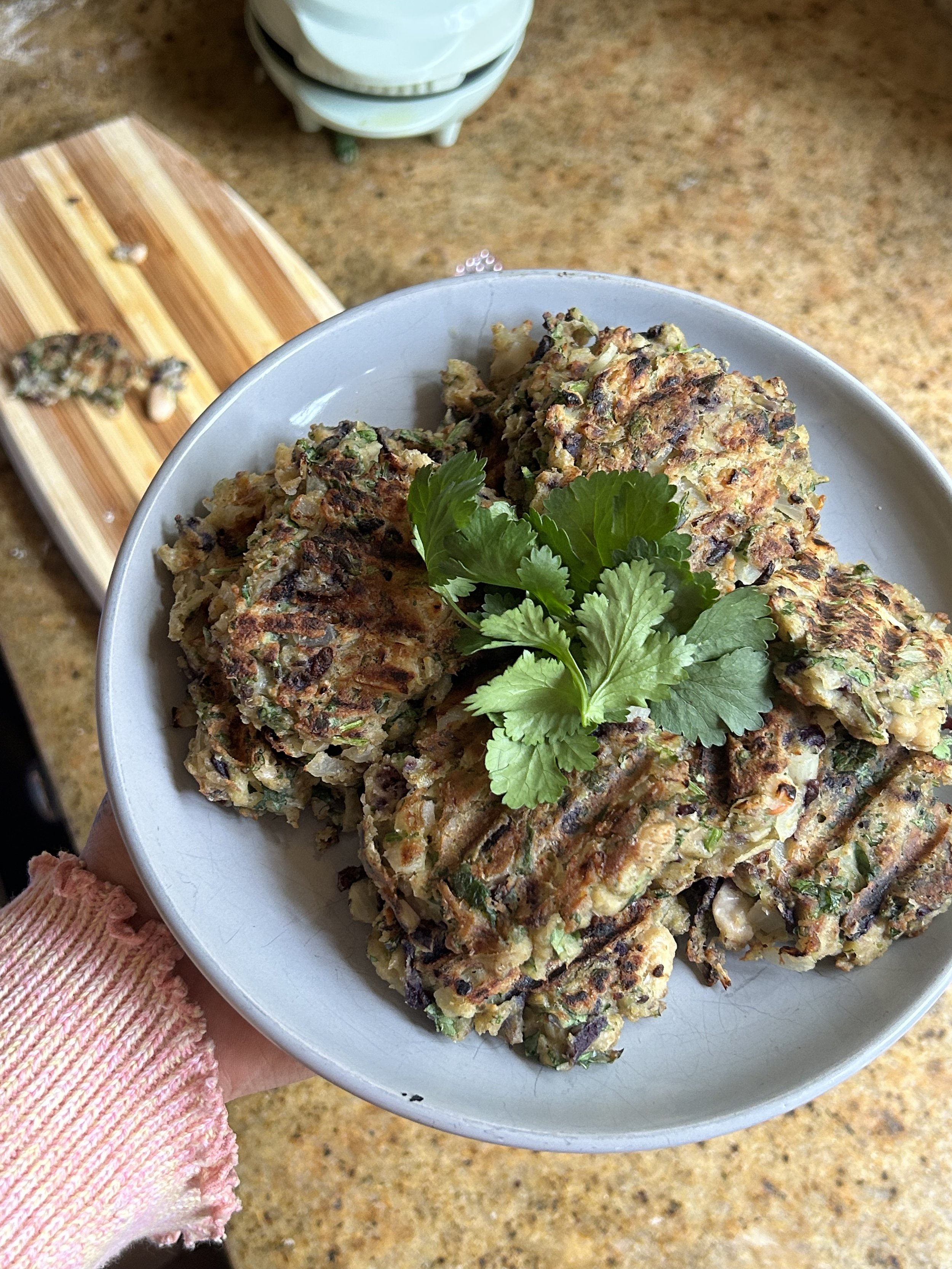
Fresh sardine and cannelloni bean fritters topped with fresh green organic parsley. A perfect combination of protein with fibre and optimal micronutrients to support blood glucose management, prevent fatigue and bolster microbiome health.
This is the kind of recipe I love when I want something nourishing without making a big production out of it. These Sardine and Cannellini Bean Fritters are a great example of how everyday ingredients can be turned into a meal that is both practical and genuinely supportive of complete health.
I’m always on the lookout for meals that tick a few boxes at once: protein, fibre, and real food ingredients that actually leave you feeling good. These fritters do exactly that. Sardines are an excellent source of omega-3 fatty acids, iron, calcium and bioavailable protein, while cannellini beans add fibre and plant proteins for a more sustained energy release.
Why this recipe works
When planning meals, I like to think about two foundations: protein and dietary fibre. Protein helps with satiety, tissue repair, and stable energy, while fibre supports digestion and feeds the microbiome. Together, they create a meal that is more nourishing and more satisfying than a carb-heavy snack or a highly processed convenience food.
These fritters also offer a clever way to include fish in a family-friendly format. If you are raising children, or simply trying to make nutrient-dense foods more appealing, recipes like this can help bridge the gap between “healthy” and “enjoyable.” The grated vegetables, fresh herbs, and chickpea flour also add extra nutritional value and texture.
Ingredients
• One can sardines in EVOO.
• One can of cannellini beans.
• 2 medium carrots, grated.
• 1 clove garlic, grated.
• 1/4 cup fresh coriander, finely chopped.
• 1 small onion, diced.
• 1/4 cup chickpea flour.
• 1 egg.
• Salt and pepper
Method
Start by preparing all your vegetables and placing them in a bowl.
In a separate bowl, mash the sardines and cannellini beans together until they form a rough paste. A bit of texture is nice here.
Next, combine the sardine and bean mixture with the grated vegetables, garlic, coriander, egg, chickpea flour, salt, and pepper. Mix well until everything is evenly incorporated. Shape the mixture into about 12 small patties.
Cook the fritters in a frying pan with olive oil until crisp and golden on both sides, or bake them on a lined tray at 200C/425F for about 20 minutes, then flip and cook for another 5 to 10 minutes.
Serving ideas
These fritters work well as a quick lunch, an easy dinner, or a protein-rich snack. They are easily frozen, refridgerated and reheated to serve alongside a fresh salad, steamed vegetables, avocado, or a simple yoghurt-based sauce if tolerated.
They also make a useful meal-prep option, as they can be cooked ahead of time and reheated when needed. For a more complete meal, pair them with extra non-starchy vegetables and a source of healthy fat to further support satiety and blood sugar balance.
Naturopathic Benefits
Why Sardines?
Sardines are one of the most nutrient-dense food choices there is. Packed with bioavailable iron, calcium, omega-3s and proteins this food delivers true nourishment when sourced correctly. The flavour can be overwhelming, which is why I recommend pairing it with softer ingredients like beans and vegetables, to help balance the flavour. In a fritter like this, the sardines add depth and substance while still keeping the recipe easy and approachable.
Beans, Beans, Beans
A true microbiome hero. Different beans contain different prebiotic fibre profiles. And diversity is always king! Cannelleni beans are a rich source in soluble and insoluble fibres to fuel microbial diversity in the gut microbiome, slow digestion and blood glucose spikes and regulate bowel peristalsis and eliminations.
This recipe is perfect for those who struggle with:
PMS
microbiome imbalances
endometriosis
adenomysosis
mineral deficiencies
unstable energy levels
not getting enough fibre
chronic constipation
insulin resistance
fatigue or low energy
dairy sensitivity
coeliac disease or gluten sensitivity
inflammatory conditions
autoimmune conditions
Or those just looking to boost their nutrient intake and diversify their diet! This recipe is a supportive dietary addition and not a cure for any specific condition. It should be part of a holistic approach that may include other dietary changes, lifestyle modifications and/or medical treatment as recommended by a qualified healthcare professional.